
Blog / Nissan Car Service

Blog

All Nissan Car Service Memphis Nissan Dealer Jim Keras Nissan Jim Keras Nissan Service Memphis Nissan Service Nissan New Car Nissan Car Features Jim Keras Nissan Financing Memphis Nissan Financing Nissan Safety 2025 Nissan Rogue Nissan Electric Cars Nissan Financing 2025 Nissan Frontier 2025 Nissan Pathfinder Memphis Used Cars Nissan Ariya Nissan SUV 2026 Nissan Altima 2026 Nissan Armada 2026 Nissan Frontier 2026 Nissan Kicks 2026 Nissan Leaf 2026 Nissan Murano 2026 Nissan Pathfinder 2026 Nissan Rogue Earth Day MyNissan Rewards Nissan Sentra Nissan Titan Nissan Versa

Is the 2026 Nissan Kicks AWD Spacious Enough for Daily Gear?

The 2026 Nissan Kicks AWD provides about 24 cubic feet of cargo space behind the second row and expands to about 59 cubic feet with the rear seats folded flat, making it plenty spacious for daily gear like luggage, sports equipment, and stroller systems. Combined with a wide trunk opening and a standard 60/40 split-folding rear bench, this subcompact crossover easily accommodates everyday hauling demands without sacrificing second-row passenger comfort. For active drivers and busy commuters, interior utility is defined by how easily an SUV swallows real-world cargo. The redesigned 2026 Nissan Kicks addresses this need by pairing a compact footprint with intelligent space utilization. Up front, drivers enjoy Zero Gravity seating designed to reduce fatigue on longer trips, while the rear seating area maintains comfortable head and legroom for adult passengers. When full passenger seating is required, the rear cargo floor easily holds several full-sized suitcases, stacks of athletic bags, or a weekend's worth of supplies. more When additional room is required, folding down the rear seatbacks transforms the cabin into an expansive cargo deck. The flat floor profile ensures that items slide inward without catching on seat frames or side bolsters. To test how your everyday gear fits inside this subcompact crossover, visit our Memphis showroom on Covington Pike to explore the interior dimensions in person, or give our sales team a quick call at (901) 373-2800 to check current vehicle availability. Table of Contents How Much Cargo Space Does the Redesigned Nissan Kicks Offer with FWD vs. AWD? Does the Nissan Kicks Offer Intelligent All-Wheel Drive and Off-Road Driving Modes? How Does the Nissan Kicks Balance Cargo Space with Fuel Efficiency on Daily Commutes? What Trunk Dimensions and Dual-Level Cargo Features Help Load Golf Bags or Bikes? Common Questions About 2026 Nissan Kicks Cargo Space and AWD Explore the 2026 Nissan Kicks at Jim Keras Nissan How Much Cargo Space Does the Redesigned Nissan Kicks Offer with FWD vs. AWD? Front-wheel-drive 2026 Nissan Kicks models feature 30 cubic feet of rear cargo space with the seats up and 60 cubic feet with the rear bench folded flat, while Intelligent All-Wheel Drive models deliver about 24 cubic feet behind the rear row and about 59 cubic feet when folded. The minor dimensional shift in all-wheel-drive trims accommodates the rear-drivetrain components while preserving practical everyday utility for luggage, camping gear, and groceries. Choosing between front-wheel drive and all-wheel drive comes down to balancing maximum volume against all-weather traction. Both configurations utilize a responsive 2.0-liter four-cylinder engine producing 141 hp and 140 lb-ft of torque, paired with an advanced Xtronic CVT. Base pricing starts at an MSRP of $22,730 for the entry-level S FWD trim, moving to $24,470 for the well-equipped SV FWD, and $27,565 for the top-tier SR FWD grade. Adding all-wheel drive adds confidence on wet or rutted surfaces while keeping total interior utility competitive with larger vehicles. S FWD: 30 cubic feet seats up / 60 cubic feet seats folded SV FWD: 30 cubic feet seats up / 60 cubic feet seats folded SR FWD: 30 cubic feet seats up / 60 cubic feet seats folded S AWD: about 24 cubic feet seats up / about 59 cubic feet seats folded SV AWD: about 24 cubic feet seats up / about 59 cubic feet seats folded SR AWD: about 24 cubic feet seats up / about 59 cubic feet seats folded Whether prioritizing the absolute maximum interior capacity of front-wheel-drive models or the terrain capability of all-wheel drive, the lineup provides functional versatility across every trim level. You can browse our selection of new Nissan Kicks crossovers online to compare trim features, or explore our new Nissan inventory to evaluate models across the entire lineup. Engine & Performance Powertrain specs by trim Feature 2.0 S 2.0 S AWD 2.0 SR 2.0 SR AWD 2.0 SV 2.0 SV AWD Engine 2L 2L 2L 2L 2L 2L Horsepower 141 hp 141 hp 141 hp 141 hp 141 hp 141 hp Torque 140 lb-ft 140 lb-ft 140 lb-ft 140 lb-ft 140 lb-ft 140 lb-ft Transmission Xtronic Xtronic Xtronic Xtronic Xtronic Xtronic Drivetrain Front-wheel drive All-wheel drive Front-wheel drive All-wheel drive Front-wheel drive All-wheel drive Dimensions & Capacity Capacity and dimensions by trim Feature 2.0 S 2.0 S AWD 2.0 SR 2.0 SR AWD 2.0 SV 2.0 SV AWD Seating 5 5 5 5 5 5 Cargo 30.0 cu ft 23.9 cu ft 29.2 cu ft 23.9 cu ft 29.2 cu ft 23.9 cu ft Curb weight 3,002 lbs 3,196 lbs 3,063 lbs 3,253 lbs 3,024 lbs 3,233 lbs Payload 900 lbs 894 lbs 960 lbs 958 lbs 922 lbs 934 lbs Does the Nissan Kicks Offer Intelligent All-Wheel Drive and Off-Road Driving Modes? Every trim level of the 2026 Nissan Kicks offers available Intelligent All-Wheel Drive, which monitors road conditions to automatically distribute engine power to the rear wheels when extra traction is needed. Models equipped with all-wheel drive also include dedicated drive settings like Snow Mode to help maintain momentum on slippery, unpaved, or wet surfaces. The all-wheel-drive system operates continuously in the background, driving the front wheels during normal highway cruising to maximize efficiency and engaging the rear axle the instant wheel slip is detected. With about 8.5 inches of standard ground clearance, the vehicle easily clears surface obstacles, rutted paths, and deep water accumulation. For drivers navigating unpaved access roads or muddy trailheads near the Loosahatchie River in Millington, this extra elevation and power distribution prevent underbody scraping and traction loss. The integrated drive mode selector allows drivers to tailor vehicle response to current road conditions: Normal Mode: Optimizes throttle mapping and transmission ratios for standard daily driving. Eco Mode: Adjusts engine output and air conditioning load to maximize overall fuel efficiency. Sport Mode: Sharpens throttle response and holds higher transmission ratios for energetic acceleration. Snow Mode: Calibrates traction control and torque delivery to prevent wheel spin on ice, snow, or loose gravel. For shoppers cross-shopping different vehicle styles or searching for pre-owned flexibility, our inventory includes a wide range of options. You can view our current stock of new Nissan Altima sedans for highway efficiency, or inspect our pre-owned vehicle inventory to find versatile crossover choices that suit your budget. How Does the Nissan Kicks Balance Cargo Space with Fuel Efficiency on Daily Commutes? Front-wheel-drive 2026 Nissan Kicks models achieve an EPA-estimated 28 city / 35 hwy / 31 combined mpg, while all-wheel-drive configurations earn 27 city / 34 hwy / 30 combined mpg, maintaining high fuel efficiency alongside its 30 cubic feet of cargo volume. This efficiency allows drivers to haul gear and commute across the region without incurring heavy fuel costs. Engineers achieved this balance by pairing an efficient powertrain with light body construction and aerodynamic exterior styling. The naturally aspirated engine delivers consistent power without the fuel consumption spikes common in larger turbocharged engines. The seamless ratios of the transmission keep the engine operating in its sweet spot during suburban acceleration and highway cruising. Maintaining proper efficiency over years of driving requires simple preventive care. Routine tire rotations, wheel alignments, and air filter replacements ensure the vehicle continues to meet its factory fuel economy ratings while protecting engine components. Drivers interested in alternative high-efficiency platforms can look through new Nissan Ariya electric crossovers, or schedule a routine maintenance visit with our factory-trained service technicians to keep their current vehicle running at peak efficiency. Fuel Economy Fuel economy and range by trim Feature 2.0 S 2.0 S AWD 2.0 SR 2.0 SR AWD 2.0 SV 2.0 SV AWD MPG 28 city / 35 hwy / 31 combined 27 city / 34 hwy / 30 combined 28 city / 35 hwy / 31 combined 27 city / 34 hwy / 30 combined 28 city / 35 hwy / 31 combined 27 city / 34 hwy / 30 combined What Trunk Dimensions and Dual-Level Cargo Features Help Load Golf Bags or Bikes? The 2026 Nissan Kicks features a rear hatch opening measuring over 40 inches wide with a low liftover height, allowing wide items like golf bags and large coolers to slide straight into the trunk. Select trims offer a dual-level cargo floor system that adjusts downward to create extra vertical space or raises to align flat with folded rear seatbacks. When shoppers test-drive the Kicks on our floor, they often ask whether a full-size bicycle fits without removing both wheels before they look at total volume numbers; folding the 60/40 rear seatbacks creates enough flat length to load a standard road bike with just the front wheel detached. The wide opening eliminates the awkward angles required when loading bulky cargo into traditional compact trunks. Key interior loading features include: Over 40 inches of rear hatch opening width for unobstructed loading. Dual-level adjustable cargo floor board for versatile depth management. Standard 60/40 split-folding rear bench for flexible passenger and gear layouts. Integrated tie-down hooks and sidewall storage compartments for securing loose items. For cyclists accessing the Shelby Farms Greenline in Bartlett, loading two sets of riding gear, helmets, and repair stands into the dual-level trunk takes minimal effort. If you are planning to upgrade your current vehicle to a crossover with enhanced cargo flexibility, you can value your trade online to discover what your present vehicle is worth toward a new purchase. Common Questions About 2026 Nissan Kicks Cargo Space and AWD Q: How much cargo space does the 2026 Nissan Kicks have behind the rear seats? Jim Keras Nissan in showcases the 2026 Nissan Kicks with distinct cargo capacities: 30 cubic feet for FWD and 24 cubic feet for AWD models. Both configurations provide ample floor area to accommodate large suitcases, strollers, or weekly grocery runs without folding down passenger seats. Q: Can a full-size bicycle fit inside the 2026 Nissan Kicks? Yes, with the 60/40 split-folding rear seats laid flat, the 2026 Nissan Kicks offers up to 60 cubic feet of maximum cargo space. This flat floor length comfortably fits an adult bicycle with the front wheel removed, as well as multiple golf bags loaded crosswise. Q: How does adding AWD affect the fuel economy of the Nissan Kicks? Adding Intelligent All-Wheel Drive reduces fuel economy by only one mile per gallon across city, highway, and combined ratings. FWD models achieve 28 city / 35 hwy / 31 combined mpg, while AWD models deliver an EPA-estimated 27 city / 34 hwy / 30 combined mpg. Q: What is the ground clearance on the 2026 Nissan Kicks AWD? The 2026 Nissan Kicks features about 8.5 inches of standard ground clearance across all models, leading its subcompact crossover class. This elevated height improves visibility and helps clear unpaved trails, deep puddles, and rutted gravel roads. Q: What driver assistance features come standard on the 2026 Nissan Kicks? Every 2026 Nissan Kicks includes Nissan Safety Shield 360 standard, featuring Automatic Emergency Braking with Pedestrian Detection, Blind Spot Warning, Rear Cross Traffic Alert, Lane Departure Warning, High Beam Assist, and Rear Automatic Braking. Upper trims add ProPILOT Assist for enhanced highway driving convenience. Shoppers planning their purchase can submit an online credit application to review competitive financing options before visiting. Explore the 2026 Nissan Kicks at Jim Keras Nissan The 2026 Nissan Kicks proves that a subcompact SUV can deliver spacious cargo capacity, all-weather confidence, and outstanding fuel economy in one stylish package. Whether you need room for daily athletic gear, weekend camping equipment, or routine grocery runs, the redesigned interior and flexible seating options accommodate your lifestyle without compromise. Our dedicated team at Jim Keras Nissan is ready to walk you through the vehicle's interior features, demonstrate the dual-level cargo floor, and set you up with a test drive. You can visit our dealership on Covington Pike to explore our showroom models, or start by giving our team a call at (901) 373-2800 to ask about current inventory and schedule your visit. © 2026 Jim Keras Nissan. All rights reserved. Vehicle specification data © JATO Dynamics Limited.
Choosing the Best Nissan for a Trip

Selecting the right vehicle for a long-distance journey involves matching your passenger count, cargo requirements, and driving preferences with a model engineered to handle the highway. Long hours on the interstate demand supportive seating, advanced driver-assist systems to reduce fatigue, and a powertrain that balances acceleration with highway efficiency. Nissan has engineered its modern lineup with these exact priorities in mind, incorporating cabin innovations and driver-assist technologies designed to make travel less taxing. If you are planning an outdoor excursion near the Loosahatchie River in Millington, having a vehicle that can easily transition from highway cruising to carrying gear for fishing or hiking is essential. For solo travelers, couples, or large families, we maintain a diverse selection of models ready for your next destination. You can explore our extensive inventory online to find the perfect fit, including the highly efficient new Nissan Rogue inventory or the comfort-focused new Nissan Murano inventory. more For larger groups requiring maximum passenger and towing capacity, the three-row new Nissan Pathfinder inventory and the robust new Nissan Armada inventory offer expansive cabins and strong capability. Drivers looking for alternative powertrains can browse our new Nissan Ariya inventory or check out the new Nissan Leaf inventory for efficient electric options. We also support commuters and enthusiasts with the new Nissan Altima inventory, the new Nissan Sentra inventory, the new Nissan Versa inventory, and the high-performance new Nissan Z inventory. If your travels demand open-bed utility or heavy-duty hauling, consider looking through the new Nissan Frontier inventory or the new Nissan Titan inventory, while urban explorers will appreciate the nimble new Nissan Kicks inventory. To experience these models firsthand, you can find our showroom on Covington Pike, where our team is ready to guide you through a personalized walk-around. You can also reach out directly to our sales professionals by giving us a quick call to discuss which model best aligns with your upcoming travel plans. Table of Contents Why the Nissan Rogue is One of the Best Crossovers for Highway Cruising Why Larger Families Choose the Spacious Three-Row Nissan Pathfinder Rogue vs Pathfinder vs Kicks: The Ultimate Road-Trip Matchup Quick Answers Before You Visit Find Your Perfect Road-Trip Companion at Jim Keras Nissan Why the Nissan Rogue is One of the Best Crossovers for Highway Cruising How does a compact crossover manage to stand out as an exceptional long-distance cruiser? The answer lies in the engineering of the 2026 Nissan Rogue, which pairs a highly innovative powertrain with clever interior packaging. Powered by a 1.5L VC-Turbo three-cylinder engine, the Rogue delivers 201 hp and 225 lb-ft of torque. This variable-compression turbocharging technology continuously adjusts its compression ratio to optimize either power or efficiency depending on real-time driving conditions. On the open highway, this translates to an impressive EPA-estimated 29 mpg city / 36 hwy on front-wheel-drive models, allowing you to cover vast stretches of road between fuel stops. For drivers who frequently commute from suburban neighborhoods in Arlington, this exceptional fuel economy makes the Rogue a highly practical daily driver that effortlessly doubles as a weekend road-trip machine. The vehicle is also available with Intelligent All-Wheel Drive, which monitors road slip and seamlessly distributes power to the wheels with the most traction. Inside the cabin, the Rogue offers up to about 36 cubic feet of cargo space behind the second row, which expands to a generous about 74 cubic feet when the rear seats are folded flat. This flexibility is enhanced by the available Divide -N- Hide cargo system, allowing you to create hidden storage compartments or lower the floor to accommodate taller items. Long highway stretches are made significantly more comfortable by Nissan's Zero Gravity seats, which are designed to simulate the weightlessness of space, reducing pressure on the lower back and shoulders to minimize fatigue. To help you get behind the wheel of this versatile crossover, we offer competitive purchasing options on both our new models and our diverse used vehicle inventory. Be sure to check our current new car specials to see our latest promotional offers and retail incentives before visiting our showroom. Engine & Performance Powertrain specs by trim Feature Platinum Rock Creek S SL SV Engine 3.5L 3.5L 3.5L 3.5L 3.5L Horsepower 284 hp 295 hp 284 hp 284 hp 284 hp Torque 259 lb-ft 270 lb-ft 259 lb-ft 259 lb-ft 259 lb-ft Transmission 9-speed automatic 9-speed automatic 9-speed automatic 9-speed automatic 9-speed automatic Drivetrain Front-wheel drive Four-wheel Drive Front-wheel drive Front-wheel drive Front-wheel drive Why Larger Families Choose the Spacious Three-Row Nissan Pathfinder When travel plans involve larger groups, multi-generational families, or heavy recreational gear, the 2026 Nissan Pathfinder emerges as the premier choice in the Nissan lineup. Boasting a standard 3.5L V6 engine paired with a smooth-shifting 9-speed automatic transmission, the Pathfinder delivers a commanding 284 hp and 259 lb-ft of torque. For those seeking a more rugged aesthetic and enhanced performance, the Rock Creek trim increases output to 295 hp and 270 lb-ft of torque when using premium fuel. The Pathfinder is built to accommodate up to 8 passengers across three rows of seating, offering a spacious about 165 cubic feet of total passenger volume. For families who prioritize easy access to the rear seats, select trims feature second-row captain's chairs, which reduce total capacity to seven but create a convenient center aisle. Behind the third row, you will find about 17 cubic feet of cargo room, which quickly expands to about 80.5 cubic feet of maximum cargo space with both rear rows folded flat. Towing capability is another area where this midsize SUV excels. While the S, SV, and SL trims are rated to tow up to 3,500 lbs, the adventure-oriented Rock Creek and top-tier Platinum trims can tow up to 6,000 lbs, making it easy to pull a camper, boat, or utility trailer. To explore these configurations and find the ideal model for your family's next big journey, we invite you to browse our comprehensive new Nissan inventory online. Rogue vs Pathfinder vs Kicks: The Ultimate Road-Trip Matchup Choosing the single best vehicle for your road trip depends heavily on your passenger count, budget, and the specific terrain you plan to encounter. Comparing the Nissan Rogue, Pathfinder, and Kicks side-by-side reveals distinct advantages for each model, ensuring there is an option tailored to your lifestyle. Nissan Pathfinder S: Starting at a base MSRP of $37,500 (with a $1,495 destination charge), this three-row SUV is the ultimate family hauler. It offers a 3.5L V6 engine, standard front-wheel drive, and a robust 9-speed automatic transmission. It is the clear choice if you need to carry up to eight people or tow up to 6,000 lbs on the Platinum or Rock Creek trims (which start at $49,790 and $45,090 respectively, each carrying a $1,545 destination charge). Nissan Rogue Platinum: Starting at $39,390 with a 1.5L VC-Turbo engine and an Xtronic CVT, this model represents the sweet spot for solo travelers, couples, or small families. It delivers a highly efficient 29 mpg city / 36 hwy while offering up to about 36 cubic feet of cargo space behind the second row. Nissan Kicks: Representing the most compact and agile option in the lineup, the Kicks is perfect for budget-conscious buyers and solo adventurers. It delivers excellent fuel economy and a smaller footprint, making it incredibly easy to park in crowded downtown areas while still offering available Intelligent All-Wheel Drive for confidence in changing weather. For residents navigating the active suburban lifestyle in Bartlett, where daily driving consists of a mix of school runs, highway commuting, and weekend sports tournaments, the Rogue often serves as the most versatile, all-around solution. However, if you regularly haul heavy gear or need a third row, upgrading to the Pathfinder is highly recommended. Whichever model you choose, our team can help you transition into your next vehicle. You can easily value your trade-in online to see how much equity you can apply toward your new purchase. Pricing Pricing by trim Feature Platinum Rock Creek S SL SV Base MSRP $49,790 $45,090 $37,500 $42,590 $39,990 Destination charge $1,545 $1,545 $1,495 $1,545 $1,545 Quick Answers Before You Visit Q: Does the Nissan Pathfinder offer captain's chairs in the second row? A: Yes, the Pathfinder offers second-row captain's chairs on select trims, including the Rock Creek and Platinum models. This configuration provides enhanced comfort for second-row passengers and creates an easy-access center aisle to the third row, though it reduces the total seating capacity from eight to seven. Q: What is the maximum towing capacity of the Nissan Rogue? A: The Rogue is rated to tow up to 1,500 lbs across its trim lineup. This capacity is ideal for small utility trailers or light recreational equipment, but families needing to tow larger campers or boats should consider the Pathfinder, which can tow up to 6,000 lbs when properly equipped. Q: Is the Nissan Pathfinder fuel-efficient on long highway trips? A: Yes, the Pathfinder is highly competitive for its class, with standard front-wheel-drive models achieving an EPA-estimated 21 mpg city / 27 hwy. This efficiency is supported by an 18.5-gallon fuel tank, which allows for longer driving intervals between highway fuel stops. Q: What is the benefit of the Rogue's VC-Turbo engine on a road trip? A: The 1.5L VC-Turbo engine continuously varies its compression ratio to deliver the optimal balance of power and efficiency. When cruising on the highway, it maximizes fuel economy to help you achieve up to 36 mpg hwy, but it instantly adjusts to deliver 201 hp and 225 lb-ft of torque when you need extra passing power. Q: How can I start the purchasing process before visiting the dealership? A: You can easily get started from the comfort of your home by completing our secure online application to get approved for financing. Pre-qualifying online saves valuable time at the dealership, allowing you to focus on choosing the perfect vehicle and completing your test drive. Find Your Perfect Road-Trip Companion at Jim Keras Nissan When you are ready to elevate your highway travel, finding the right vehicle is the first step toward a successful journey. At Jim Keras Nissan, we carry a complete lineup of new and pre-owned Nissan models engineered to deliver the comfort, efficiency, and safety you need for the road ahead. Our sales professionals are dedicated to helping you find the exact trim, powertrain, and cargo configuration that fits your lifestyle. Before you make your way to our showroom, we encourage you to review our current service and parts specials to see how we support our owners over the long term. When you are ready to take a test drive, you can get easy directions to our Memphis dealership located at 2080 Covington Pike, Memphis, TN 38128. If you have any questions about our current inventory, available trim packages, or retail incentives, please give our sales team a call today. Keep Your Vehicle Running Strong Keep your vehicle performing at its best with our service team: Schedule Service and Diagnostics © 2026 Jim Keras Nissan. All rights reserved.

Demystifying Tire Rotation and Why It Matters for Your Nissan

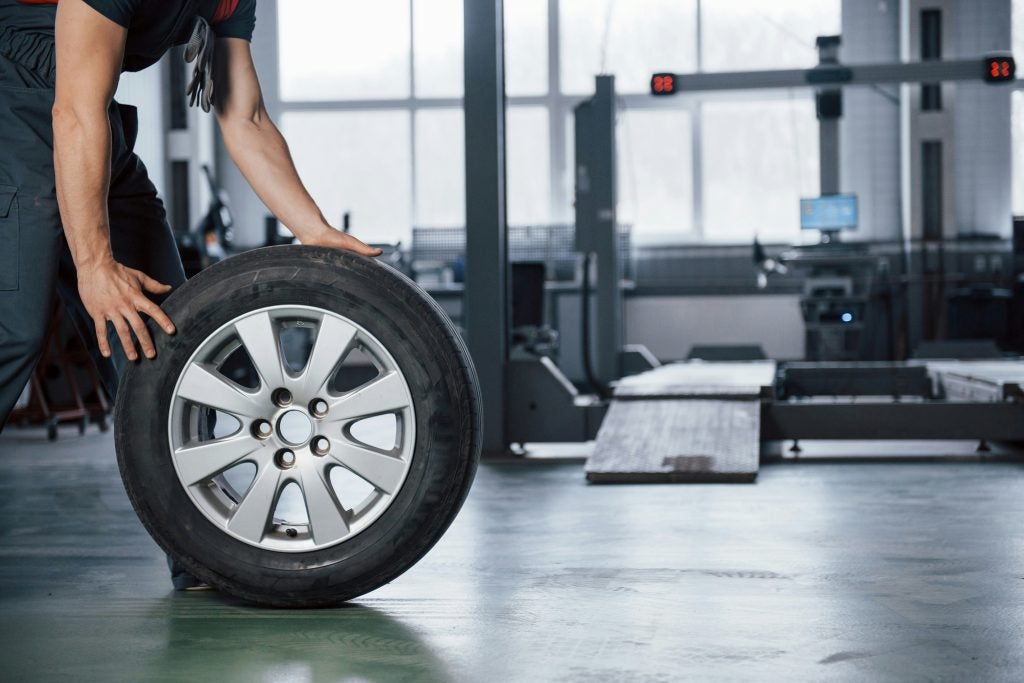
Tire rotation is the process of systematically changing the positions of your vehicle's tires from front to back and side to side. Because the front and rear axles of a vehicle experience entirely different forces during acceleration, braking, and steering, tires naturally wear down at different rates. Failing to move them regularly leads to premature tread loss, which compromises your driving safety and forces you to purchase replacements much sooner than necessary. Consider how a front-wheel-drive vehicle operates during a daily commute. The front tires are responsible for transmitting engine power to the ground, guiding the vehicle through every turn, and absorbing the vast majority of the friction generated during braking. On a standard vehicle, this concentrated workload causes the front tread to disappear much faster than the rear tread. By systematically moving the rear tires to the front and vice versa, you distribute these frictional forces across all four tires over their lifespan. more At our service center, we see firsthand how regular maintenance protects your automotive investment. For instance, drivers operating a new Nissan Rogue with its active front-wheel-drive system will find that routine rotations keep the tread depth balanced, preserving the precise handling of the crossover. Similarly, maintaining even tread on a commuter sedan like the new Nissan Sentra ensures consistent traction on wet pavement, while those driving a new Nissan Altima benefit from a quieter cabin when the tires wear smoothly. If you drive a heavy-duty truck or a larger family vehicle, tire care is even more critical. The high torque of a new Nissan Frontier or a heavy‑duty new Nissan Titan can rapidly scrub the tread off the drive wheels if they are left in place too long. The same rule applies to spacious family haulers like the eight-passenger new Nissan Pathfinder or the robust new Nissan Armada, where the sheer weight of the vehicle accelerates tread wear. Even highly efficient models, such as the compact new Nissan Versa, the stylish new Nissan Kicks, or the refined new Nissan Murano, rely on balanced tire wear to maintain their factory-specified fuel economy. This principle is equally vital for electric vehicles, which deliver instant torque to the pavement. Owners of the all-electric new Nissan Leaf or the advanced new Nissan Ariya will notice that the immediate power delivery can accelerate tread wear on the drive axle if rotations are neglected. Even sports car enthusiasts driving the high-performance new Nissan Z must keep a close eye on tire wear to preserve cornering grip. To keep your vehicle performing safely, you can schedule service and diagnostics with our factory-trained technicians, or give our service department a quick call to discuss your vehicle's specific maintenance schedule. If you want to drop by for an inspection, you can easily find our showroom and service bays located right on Covington Pike. Table of Contents Why Is Regular Tire Rotation Critical for Your Drivetrain and Safety? How Often Should You Schedule a Tire Rotation? What Are the Early Signs of Uneven Tire Wear? Understanding Technical Patterns for Front-Wheel Drive and All-Wheel Drive Quick Answers to Common Tire Care and Maintenance Questions Schedule Professional Tire Maintenance Why Is Regular Tire Rotation Critical for Your Drivetrain and Safety? Consistent tire rotation directly impacts the mechanical health of your drivetrain and the safety of everyone on board. When tires wear unevenly, the overall circumference of each tire changes slightly. On all-wheel-drive systems, even minor differences in tire diameter force the front and rear axles to rotate at slightly different speeds. This constant speed mismatch puts continuous stress on the center differential and transfer case, which can lead to overheating, premature gear wear, and incredibly expensive drivetrain repairs. From a safety perspective, balanced tread depth is your primary defense against hazardous driving conditions. Tires with uneven wear patterns have a significantly reduced contact patch with the road, which severely compromises wet-weather traction. This lack of uniform grip can lead to: Increased stopping distances: When the front tires have significantly less tread than the rear, the vehicle cannot bite into the pavement effectively during hard braking. Higher risk of hydroplaning: Shallow, uneven tread grooves cannot channel water away from the tire footprint, causing the vehicle to slide on wet surfaces. Compromised emergency handling: Sudden steering maneuvers become unpredictable when the front and rear axles do not share the same level of lateral grip. In addition to safety risks, skipping this basic maintenance can hit your wallet. Many tire manufacturers require proof of regular rotations at specified mileage intervals to honor their treadwear warranties. Neglecting this service means that if your tires wear out prematurely, you may have to pay full price for a replacement set out of pocket. To help keep your maintenance costs manageable, we recommend checking our current service and parts specials for seasonal discounts on tire care and alignments. How Often Should You Schedule a Tire Rotation? A standard recommendation across the automotive industry is to rotate your tires every 5,000 to 7,500 miles . For the majority of drivers, this interval aligns perfectly with scheduled oil changes, making it easy to remember and combine into a single service visit . Many modern vehicles feature a mileage-triggered dashboard warning, such as a "Maintenance: Tire" reminder, which is factory-set to appear every 5,000 or 7,000 miles to help you stay on track . However, your specific driving environment plays a major role in how quickly your tires degrade. For example, drivers navigating the stop-and-go traffic and occasional rough pavement in Arlington will place higher stress on their front tires due to constant braking and tight turns. In these demanding suburban and urban environments, sticking to the conservative end of the 5,000-mile interval is highly recommended to catch and correct uneven wear patterns before they become permanent . Drivetrain configurations also dictate different schedules. While front-wheel-drive and rear-wheel-drive vehicles can easily run the standard 5,000 to 7,500 miles between services, all-wheel-drive vehicles require more frequent attention. Because all-wheel-drive systems constantly distribute power to all four wheels, they are highly sensitive to tread depth variances. Servicing these vehicles every 3,000 to 5,000 miles helps protect the transfer case and ensures the system operates smoothly. What Are the Early Signs of Uneven Tire Wear? Recognizing the early warning signs of tire wear allows you to address alignment or suspension issues before they ruin an entire set of tires. The most reliable way to monitor your tires is to inspect the tread depth across the width of each tire using a depth gauge or by looking for visual wear patterns. There are several distinct types of uneven wear to watch out for: Feathering: The tread blocks feel smooth when rubbed in one direction but rough when rubbed in the opposite direction. This is typically caused by incorrect toe-in alignment settings. Camber Wear: One side of the tire tread (either the inner or outer shoulder) is significantly more worn than the center or the opposite side, usually pointing to a misaligned suspension angle. Cupping or Scalloping: Dipped, wavy depressions appear around the edge of the tread. This dangerous pattern is often a sign of worn-out shocks, struts, or suspension bushings. Center vs. Edge Wear: Heavy wear concentrated strictly in the center indicates over-inflation, while wear on both outer shoulders points to chronic under-inflation. Beyond visual inspections, your vehicle will often tell you when something is wrong through physical feedback. If you notice a persistent vibration in the steering wheel or through the seat at highway speeds, your tires may be out of balance or wearing unevenly . Additionally, an unexplained increase in low-frequency road noise or a slight pull to one side while driving on a flat road are strong indicators that your tires need professional attention . Understanding Technical Patterns for Front-Wheel Drive and All-Wheel Drive The exact pattern used to rotate your tires is determined by your vehicle's drivetrain and the design of the tires themselves. For standard, non-directional tires on a front-wheel-drive vehicle, technicians typically employ the "Forward Cross" pattern. In this configuration, the front tires are moved straight back to the rear axle, while the rear tires are crossed over to the opposite sides on the front axle (rear-left goes to front-right, and rear-right goes to front-left). This pattern ensures that the directional forces of steering and power delivery are equalized. For rear-wheel-drive and all-wheel-drive vehicles, the "Rearward Cross" is the industry standard. Here, the rear tires are moved straight forward to the front axle. The front tires are then crossed to the opposite rear positions (front-left goes to rear-right, and front-right goes to rear-left). This specific swap helps balance out the heavy acceleration forces experienced by the rear tires. Specialty tire setups require unique approaches: Directional Tires: These tires feature a tread pattern designed to roll in only one direction, marked by an arrow on the sidewall. They can only be rotated straight front-to-back on the same side of the vehicle to prevent the tread from running backward. Staggered Fitments: Some performance vehicles use larger tires on the rear axle than on the front. Because front-to-back swapping is impossible, these tires can only be rotated side-to-side across the same axle, provided they are non-directional. Five-Tire Rotation: Vehicles equipped with a matching, full-size spare tire can integrate the spare into the rotation cycle. This ensures that all five tires wear down at an identical rate, which is incredibly useful if you ever need to drive on the spare long-term. In rural communities like Millington, where drivers frequently transition from paved highways to unpaved gravel roads and muddy farm lanes, maintaining the correct rotation pattern is essential. The varying traction demands of these mixed surfaces can cause rapid, localized tread scrubbing, making precise, drivetrain-specific rotation patterns crucial for maintaining off-road grip and highway stability. Quick Answers to Common Tire Care and Maintenance Questions Q: Can tire rotation fix tires that are already severely worn? No, rotating your tires cannot reverse physical damage or severe, uneven wear that has already worn down to the indicators. If a tire has developed deep cupping, bald shoulders, or exposed cords, it must be replaced. Rotation is a preventative measure designed to keep healthy tires wearing evenly, not a cure for neglected mechanical issues or alignment damage. Q: Do I need to get my wheels balanced every time I rotate my tires? While it is not strictly mandatory to balance your wheels at every single rotation, it is highly recommended. Wheel balancing ensures that the weight of the tire and wheel assembly is distributed evenly around the axle. Combining these two services every 5,000 to 7,500 miles prevents high-speed vibrations and protects your suspension components from unnecessary wear . Q: Why do my front tires wear out faster than my rear tires? On most passenger vehicles, the front axle carries the weight of the engine and transmission, handles all steering forces, and manages up to 80% of the braking load. On front-wheel-drive vehicles, these tires also deliver all the engine power to the road. This combination of heavy weight, frictional steering forces, and braking heat causes the front tires to wear down much quicker than the trailing rear tires. Q: What is the difference between a tire rotation and a wheel alignment? Tire rotation is the physical act of swapping the positions of the tires on your vehicle. A wheel alignment, on the other hand, is a mechanical adjustment of the vehicle’s suspension angles (toe, camber, and caster) to ensure the tires sit perfectly perpendicular to the road and parallel to each other. Both services work together to maximize tire life, but they address entirely different maintenance needs. Q: Should I rotate my tires if I just bought a brand-new set? Yes, even brand-new tires require scheduled rotations. In fact, the initial rotation is one of the most critical because fresh, full-depth tread blocks are highly flexible and particularly vulnerable to rapid, uneven wear as they adjust to your vehicle's suspension dynamics . Getting your first rotation on time sets the foundation for maximum tread life. If you are planning on upgrading your vehicle soon, you can explore our current new car specials to see the latest models equipped with advanced tire pressure monitoring systems. Schedule Professional Tire Maintenance Protecting your vehicle's safety, ride comfort, and fuel efficiency starts with consistent tire care. Skipping routine rotations might seem harmless in the short term, but it quickly leads to accelerated tread wear, compromised wet-weather grip, and avoidable drivetrain strain. Our factory-trained technicians understand the exact rotation patterns, load ratings, and alignment specifications required to keep your vehicle running smoothly. When you bring your vehicle to our dedicated service department, we do more than just swap your tires. Every service visit includes a thorough inspection of your tire tread depth, a check of the sidewalls for damage, precise pressure adjustments, and a visual inspection of your brake pads and suspension components. This comprehensive approach allows us to spot potential alignment or suspension issues before they turn into costly repairs. Do not wait until you feel a vibration in the steering wheel or notice bald spots on your tread. Keep your vehicle performing at its best by scheduling a professional tire service today. You can contact our service desk directly by calling (901) 373-2800 to find a convenient time, or drive straight to our service center at 2080 Covington Pike, Memphis, TN 38128 for expert maintenance you can trust. © 2026 Jim Keras Nissan. All rights reserved.

Mastering Your Nissan Maintenance Schedule for Long-Term Reliability

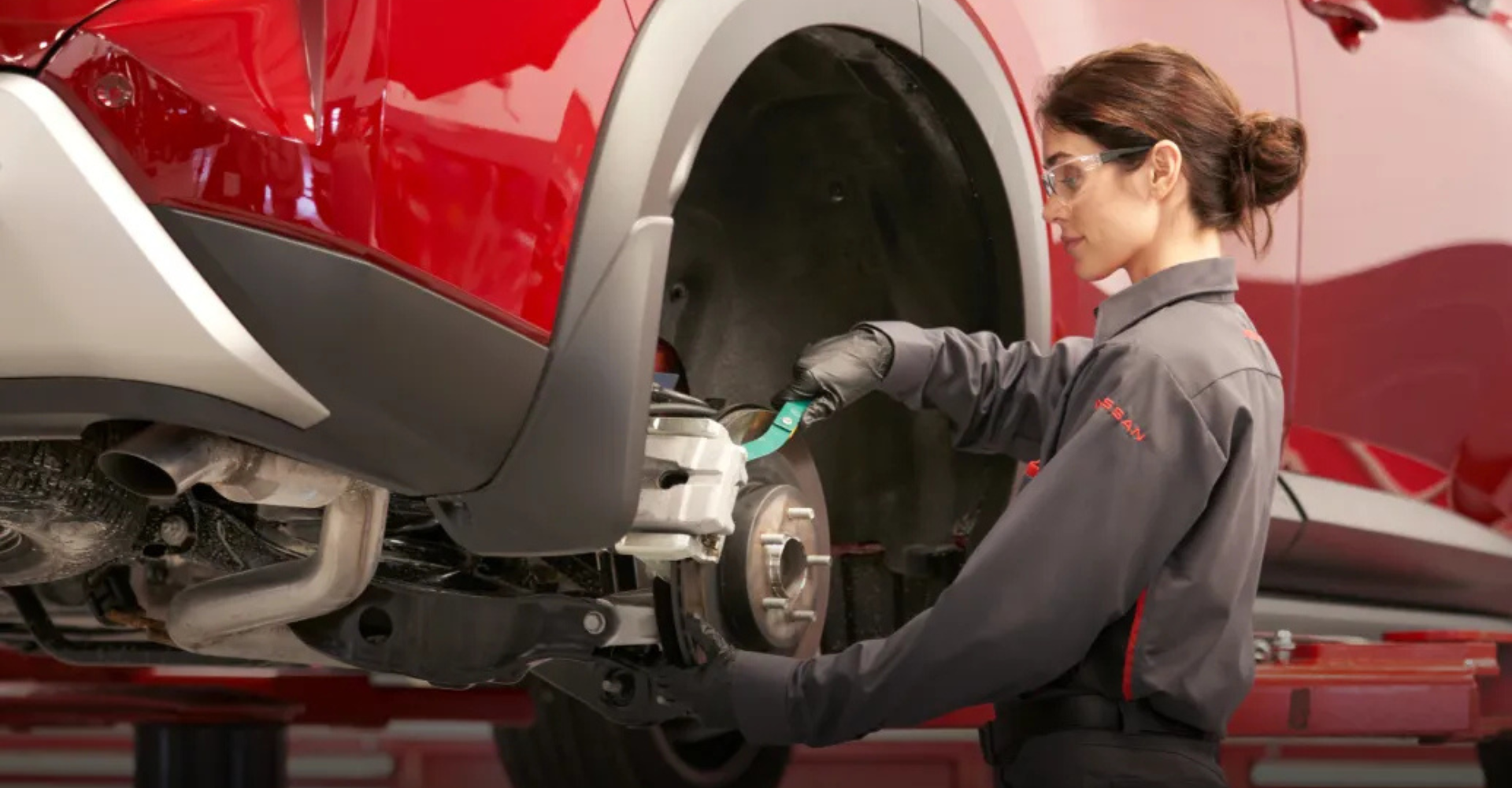
A modern Nissan is engineered to handle thousands of miles with minimal intervention, provided the maintenance clock stays synchronized with the odometer. For the majority of 2025–2026 models, such as the 2026 Nissan Rogue or the 2026 Nissan Altima, a standard oil change and tire rotation is recommended every 5,000 to 7,500 miles. Adhering to this rhythm ensures that the basic 3-year / 36,000-mile limited warranty remains in good standing while protecting the internal components of the engine. Whether you are driving a commuter-focused new Nissan Versa or a performance-oriented new Nissan Z, these early visits allow technicians to perform a multi-point inspection that catches minor wear before it impacts your daily drive. The rural roads around Millington, with their mix of wooded areas and open farmland, often subject vehicles to more dust and debris than city driving. For owners of a new Nissan Frontier or a new Nissan Titan used for work near the Loosahatchie River, more frequent inspections of the engine air filter and undercarriage are often necessary. Even for low-mileage drivers, at least two oil changes per year prevent fluid breakdown. This consistency is vital for every model in the lineup, from the electrified new Nissan Leaf and the advanced new Nissan Ariya to the versatile new Nissan Kicks and the family-ready new Nissan Sentra. more If you are unsure where your vehicle stands in its service lifecycle, you can schedule service and diagnostics online to have a certified team review your records. Factory requirements are maintained for the entire SUV family, including the new Nissan Murano, the three-row new Nissan Pathfinder, and the full-size new Nissan Armada. For those who prefer to drop by, our service center is conveniently located for a quick consultation. You can also give us a quick call to speak directly with a service advisor about your specific new Nissan Rogue maintenance needs. Table of Contents Essential Fluids and Filters to Monitor for Peak Performance Understanding Severe Operating Conditions and Their Impact on Service Strategic Brake Care and Suspension Health for Local Driving How Missing Scheduled Maintenance Affects Your Nissan Warranty Coverage Quick Answers Before You Visit Essential Fluids and Filters to Monitor for Peak Performance What are the specific fluids that keep a 2.5L Direct Injection engine running smoothly over a decade of ownership? Beyond the standard 0W-20 full synthetic oil, your Nissan relies on a network of specialized fluids that require periodic attention. The Continuously Variable Transmission (CVT) found in models like the 2026 Nissan Altima is a precision component that typically requires a fluid inspection every 30,000 miles. Technicians use specialized diagnostic tools to check the "deterioration data" of the fluid to determine if a flush is necessary to maintain the 5-year / 60,000-mile limited powertrain warranty protection. Brake fluid is another critical but often overlooked component. Because brake fluid is hygroscopic—meaning it absorbs moisture from the air—it can become contaminated over time, leading to a "spongy" pedal feel or internal corrosion of the calipers. The official maintenance guide for many 2026 models calls for a full brake fluid flush at 30,000 miles or 24 months. Simultaneously, replacing the cabin air filter every 15,000 miles ensures the dual-zone climate control system operates efficiently, which is especially important during humid Tennessee summers when the AC system is under constant load. Engine air filters and spark plugs follow a longer arc but are no less important for fuel efficiency. For the 2026 Nissan Pathfinder, iridium spark plugs are engineered to last up to 105,000 miles, but they are inspected much earlier if there is a dip in the EPA-rated 21 mpg city / 27 mpg highway performance. Keeping these filters clean prevents the engine from struggling for air, which reduces strain on the fuel injectors and maintains the smooth power delivery Nissan drivers expect. Understanding Severe Operating Conditions and Their Impact on Service Does a short commute put less stress on a car than a long highway haul? For the internal combustion process, the opposite is often true. Nissan defines "severe operating conditions" as frequent short trips of less than five miles, idling in heavy traffic, or driving in extreme heat. For residents in Arlington who commute into Memphis daily, the stop-and-go patterns on I-40 often qualify as severe service. Under these conditions, engine oil does not always reach the optimal operating temperature required to burn off condensation and fuel dilution, necessitating an oil change interval closer to 3,500 or 5,000 miles. Operating a vehicle near the suburban developments and preserved green spaces of Arlington also means dealing with a variety of road surfaces. Frequent towing of a boat or trailer—a common use for the 2026 Nissan Pathfinder with its 3,500-lb towing capacity —also places the vehicle in the severe category. This requires more frequent inspections of the rear differential and transfer case fluids. These factors are monitored during every visit to ensure your maintenance plan matches your actual driving habits rather than a generic template. To help manage the costs of these more frequent intervals, owners can check the current service and parts specials before booking an appointment. These offers often cover essential severe-weather prep, such as battery health checks and cooling system flushes. By adjusting your service schedule to account for the Memphis heat and heavy traffic, you extend the life of major mechanical systems and ensure the vehicle remains reliable for years of commuting. Strategic Brake Care and Suspension Health for Local Driving The suburban stretches around the region often hide the subtle wear that constant stopping and starting places on a vehicle's braking system. A 2026 Nissan Rogue, which is a TOP SAFETY PICK by the IIHS, relies on its Automatic Emergency Braking and Blind Spot Monitor to keep you safe, but those systems are only as effective as the physical hardware of the brakes. A full inspection of the brake pads and rotors is recommended every 15,000 miles. If you begin to hear a high-pitched squeal or feel a vibration in the steering wheel during deceleration, it is likely that the wear indicators are signaling the need for new pads. Suspension health is equally vital, especially when navigating the transition from paved highways to the gently rolling terrain found in some rural areas. Potholes and uneven pavement can slowly knock a vehicle out of alignment, leading to uneven tire wear and a pull to one side. During a standard tire rotation, technicians look for "cupping" or "feathering" on the tread, which are early warning signs of strut or shock wear. For those driving a 2026 Nissan Altima, maintaining proper alignment is the best way to preserve the factory-rated 26 mpg city / 36 mpg highway efficiency. If your current vehicle is requiring more frequent repairs to these systems, it might be time to see how the latest safety tech and suspension engineering feel on the road. You can browse our current new car specials to see the latest offers on models equipped with the most advanced versions of Nissan Safety Shield 360. Investing in a newer model often means gaining access to more durable components and updated driver-assist features that take the stress out of daily navigation. How Missing Scheduled Maintenance Affects Your Nissan Warranty Coverage There is a significant difference between a mechanical defect covered by a factory warranty and a component failure caused by deferred maintenance. The powertrain 5 years / 60,000 miles warranty is a promise from the manufacturer to repair defects in materials or workmanship. However, if a transmission fails because the fluid was never inspected or replaced according to the factory schedule, the claim may be denied. Nissan emphasizes that keeping detailed service records is the owner's responsibility to prove that the vehicle was cared for as required. When you miss a major milestone, such as the 30,000-mile brake fluid flush or the 60,000-mile CVT inspection, you create a "gap" in the vehicle's health history. If a failure occurs later, it can be difficult to determine if the cause was a part defect or the lack of fresh lubricant. This is why every customer is provided with a digital service history that tracks every oil change, filter replacement, and multi-point inspection performed at our facility. This documentation is invaluable if you ever need to utilize your roadside 3 years / 36,000 miles assistance or file a warranty claim. Furthermore, consistent maintenance supports the resale value of your vehicle. A 2026 Nissan Rogue with a documented history of on-time service is far more attractive to future buyers than one with missing records. By staying current with your schedule, you are not just protecting your engine; you are protecting the financial investment you made in your vehicle. If you have missed a visit, the best course of action is to bring the vehicle in as soon as possible to get back on track and document the current condition of all major systems. Quick Answers Before You Visit Q: What is included in a standard 15,000-mile Nissan service? The 15,000-mile interval is more than just an oil change. At this stage, our technicians replace the cabin air filter and perform a comprehensive inspection of the brake system, including pads, rotors, and lines. We also inspect the suspension, steering gear, and exhaust system to ensure everything is holding up against local road conditions. Q: How do I know if my Nissan needs a CVT fluid change? Most modern Nissan vehicles do not have a traditional transmission dipstick. Instead, we use a diagnostic computer to read the fluid's "deterioration count," which tracks heat cycles and load. If this count exceeds a specific threshold, or if we notice a change in fluid color or consistency during a physical inspection, we will recommend a flush to protect the transmission's internal belt and pulleys. Q: Can I use conventional oil instead of synthetic in my 2026 Nissan? Most 2025 and 2026 Nissan engines are designed specifically for 0W-20 full synthetic oil. This thinner oil allows for better fuel economy and faster lubrication during cold starts. Using conventional oil can lead to increased friction, reduced MPG, and potentially void parts of your engine warranty, so we always stick to the factory-recommended synthetic blend. Q: Does my Nissan warranty cover flat tires or dead batteries? Your vehicle includes roadside 3 years / 36,000 miles coverage, which provides assistance for flat tires, jump-starts, and lockout services. While the warranty itself covers the battery if it fails due to a defect, it does not cover "wear items" like tires unless there is a clear manufacturing flaw. For emergency support, you can reach Nissan Roadside Assistance at 800-647-7261. Q: How long does a typical multi-point inspection take? When combined with a standard oil change and tire rotation, a multi-point inspection usually takes about an hour. We check everything from fluid levels and belt tension to tire tread depth and battery "cold cranking amps." If you are planning a trip, our Memphis location is easy to reach for a quick pre-travel check. You can also give us a call to check current wait times before you head over. © 2026 Jim Keras Nissan. All rights reserved.
Spring into Action: Essential Car Maintenance Tips for the New Season

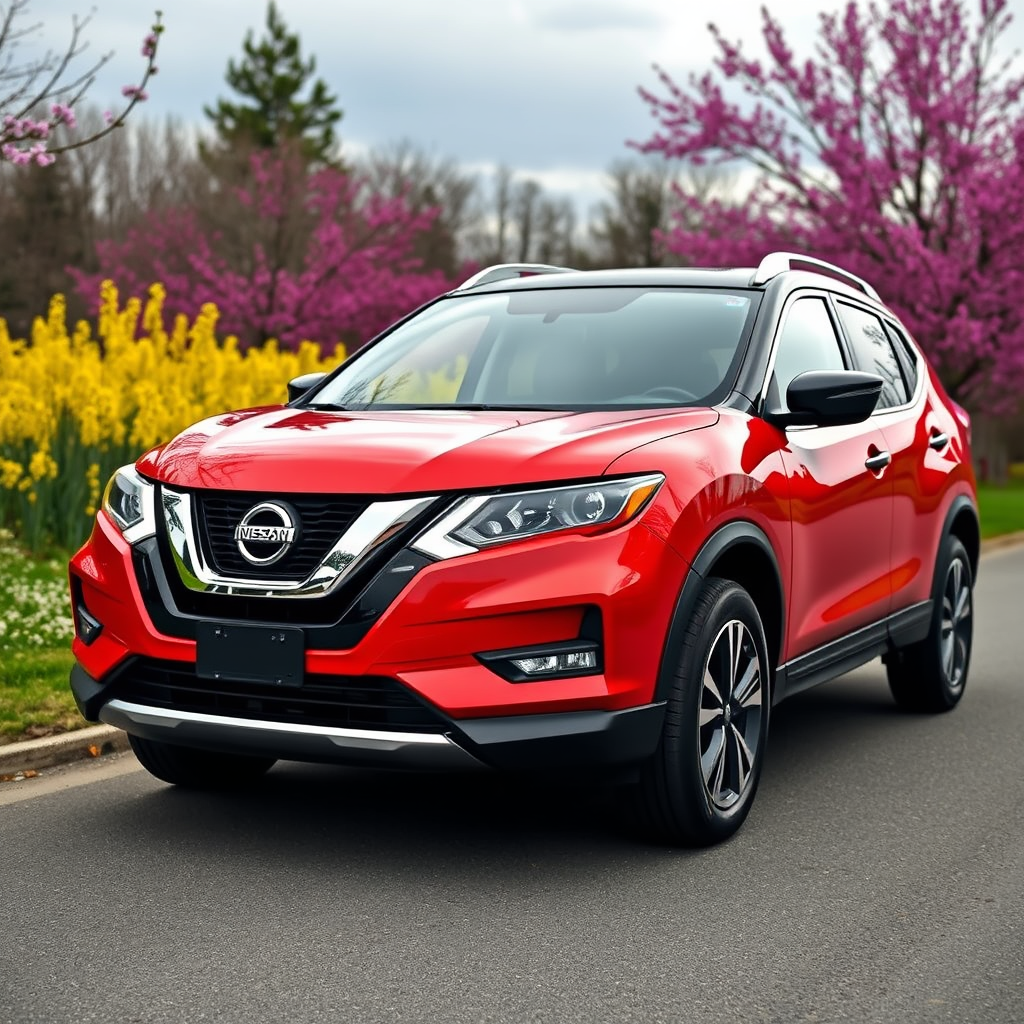
Spring into Action: Essential Car Maintenance Tips for the New Season As the cold winter months fade away and spring arrives, it's the perfect time to give your vehicle some much-needed attention. Spring car maintenance is crucial to ensure your vehicle runs smoothly and efficiently throughout the warmer months. At Jim Keras Nissan, we're here to help you get your car ready for the road ahead with these essential maintenance tips. more 1. Inspect and Rotate Tires Winter can be tough on your tires, so start by checking their condition. Look for signs of wear and tear, and ensure the tread depth is adequate for safe driving. Don't forget to check the tire pressure and adjust it according to the manufacturer's recommendations. Rotating your tires can also help extend their lifespan and improve fuel efficiency. 2. Check the Brakes Your brakes are a critical safety component, so it's important to ensure they're in top condition. Listen for any unusual noises, such as squeaking or grinding, and have your brakes inspected by a professional if needed. Replacing worn brake pads can prevent more costly repairs down the road. 3. Replace Wiper Blades Spring showers can reduce visibility, making it essential to have functional wiper blades. Inspect your wiper blades for cracks or splits, and replace them if necessary. This simple step can significantly improve your driving safety during rainy weather. 4. Test the Battery Cold temperatures can take a toll on your car's battery. Test your battery's charge and clean any corrosion from the terminals. If your battery is more than three years old, consider having it tested or replaced to avoid unexpected breakdowns. 5. Check Fluid Levels Ensure all essential fluids are at the correct levels, including engine oil, coolant, transmission fluid, brake fluid, and windshield washer fluid. Regularly checking and topping off these fluids can help prevent engine damage and keep your vehicle running smoothly. 6. Inspect Belts and Hoses Over time, belts and hoses can become brittle and crack. Inspect them for signs of wear, such as fraying or leaks, and replace them if necessary. This preventive measure can help avoid costly repairs and keep your engine running efficiently. 7. Clean and Detail Your Vehicle Spring is the perfect time to give your car a thorough cleaning, both inside and out. Wash away winter grime and salt from the exterior, and clean the interior to remove dirt and debris. A clean car not only looks great but also helps maintain its value. Visit Jim Keras Nissan for Professional Maintenance At Jim Keras Nissan, our expert technicians are here to assist you with all your spring car maintenance needs. From tire rotations to brake inspections, we offer a comprehensive range of services to keep your vehicle in top shape. Schedule your maintenance appointment today and enjoy peace of mind on the road this spring.

Contact Us

Fill out this form below and we'll contact you shortly
*Required Fields